
Polyendocrine Metabolic Ovarian Syndrome (PMOS) & the Role of Nutrition in Managing It
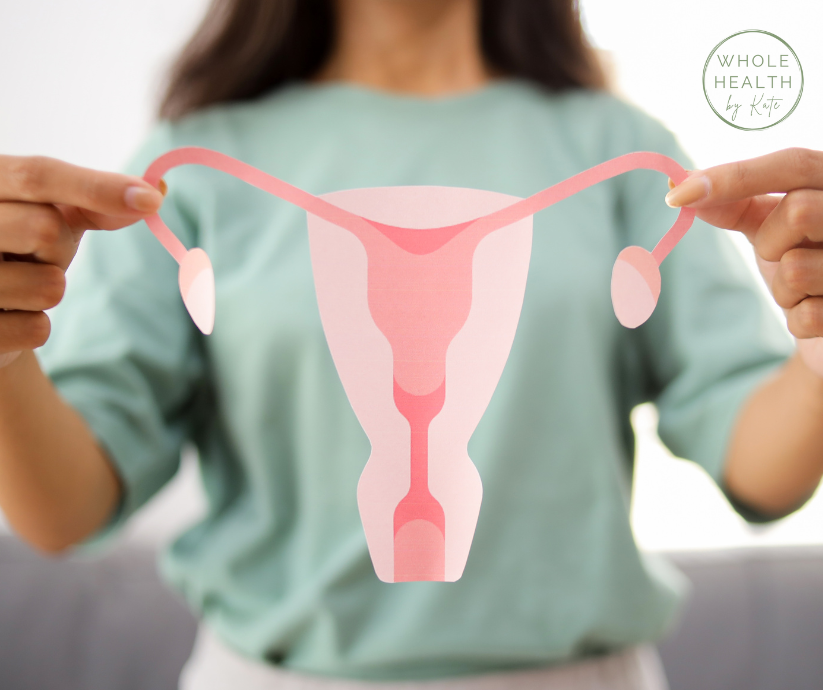
Polyendocrine Metabolic Ovarian Syndrome (PMOS) is a common endocrine and metabolic disorder affecting between 6-21% of women of reproductive age in Australia (Abu Hashim, 2012; Varanasi et al., 2017). This lifelong condition impacts hormone regulation and metabolism, often leading to challenges such as irregular menstrual cycles, infertility, insulin resistance, and symptoms like acne and excess hair growth.
What is PMOS?
PMOS is diagnosed when at least two of the following criteria are met:
irregular or absent menstrual cycles,
signs of elevated androgen levels (such as acne or hirsutism), or
ultrasound evidence of polycystic ovaries (Jean Hailes, 2025).
It is the leading cause of anovulatory infertility, meaning many women with PMOS struggle to conceive naturally (Zhang et al., 2020).
Why Diet Matters: The link between PMOS & Insulin Resistance
Insulin resistance—a condition where the body's cells do not respond properly to insulin—is common in PMOS and contributes to many of its symptoms (Purwar & Nagpure, 2022). Research highlights that lifestyle interventions, especially dietary changes, can significantly improve insulin sensitivity, hormonal balance, and reproductive outcomes.
A diet rich in high-fiber foods, healthy fats (especially omega-3 fatty acids), and adequate protein is essential. Fiber slows digestion and sugar absorption, helping to stabilise blood glucose and reduce insulin resistance (Kaczmarczyk et al., 2012). It also promotes feelings of fullness, which supports weight management—a crucial factor since even modest weight loss (5-10%) can improve PMOS symptoms (Jean Hailes, 2025, Teede et al., 2018).
Omega-3 fatty acids, found in fish, chia seeds, and walnuts, have anti-inflammatory properties. Evidence confirms omega 3 is imperative in the nutritional management of PMOS. It is proven to reduce the symptoms of PMOS by improving insulin resistance, reducing high triglycerides, lowering inflammation, improving anxiety, regulating menstrual cycle, and reducing testosterone levels (Nadjarzadeh et al., 2013; Salama et al., 2015).
Omega 3 supports the integrity of egg cell membranes and improves blood flow to the uterus. Consuming 1000-3000mg of fish oil/day is proven to reduce testosterone and improve the regularity of menstrual cycle and aligns with the Nutrient Reference Values for Australia and New Zealand (NHMRC, 2021; Yang et al., 2018).
Protein intake is also vital, as it supports hormone synthesis including insulin, estrogen, and testosterone, which is commonly impaired in PMOS women (Boyle & Teede, 2012). Protein helps stimulate glucagon release which counteracts the action of insulin (Ang et al., 2019) and is a good source of selenium, which reduces insulin resistance and dyslipidaemia (Hajizadeh-Sharafabad et al., 2019) Meat, fish, eggs and plant based proteins (lentils, tofu etc) are excellent sources that may reduce infertility risks and contribute to stable blood sugar levels.
Managing PMOS Symptoms Through Nutrition:
Increase fiber intake: Aim for at least 25 grams daily through vegetables, legumes, fruits, whole grains, nuts, and seeds.
Incorporate omega-3 rich foods: Include fatty fish, flaxseeds, chia seeds, and walnuts regularly.
Choose quality protein: Favor plant-based proteins, eggs, and fish over processed or high-saturated-fat animal products.
Limit high glycemic index foods: Opt for low GI carbohydrates to manage blood sugar and insulin levels.
Maintain a healthy weight: Even small weight loss can greatly improve hormonal and metabolic health.
Sample PMOS Meal Plan
For women with PMOS, a balanced meal plan can support symptom management and fertility outcomes. Meals rich in omega-3, fiber, and protein may include vegetable omelets with spinach, broccolini, cherry tomatoes, mushrooms, dill and sweet potato for breakfast, chia pudding with berries and seeds for a snack, lean chicken and avocado sandwiches for lunch, and a baked trout salad bowl with brown rice and lentils for dinner.
Conclusion
While PMOS is a complex condition with varied symptoms, nutritional management plays a pivotal role in controlling insulin resistance and hormone imbalance. A diet abundant in fiber, omega-3 fatty acids, and protein, combined with healthy lifestyle habits, can significantly improve quality of life and fertility for women with PMOS.
Further research is ongoing to refine dietary recommendations, but current evidence strongly supports a whole-food, nutrient-rich approach for managing PMOS (Teede et al., 2018).
References
Nadjarzadeh, A., Firouzabadi, R., Vaziri, N., Daneshbodi, H., Lotfi, M., & Mozaffari-Khosravi, H. (2013). The effect of omega-3 supplementation on androgen profile and menstrual status in women with polycystic ovary syndrome: A randomized clinical trial. Iranian Journal Of Reproductive Medicine, 11(8), 665-672. Retrieved 23 October 2025, fromhttps://www.ncbi.nlm.nih.gov/pmc/articles/PMC3941370/.
Salama, A., Amine, E., Salem, H., & Abd El Fattah, N. (2015). Anti-inflammatory dietary combo in overweight and obese women with polycystic ovary syndrome. North American Journal Of Medical Sciences, 7(7), 310. https://doi.org/10.4103/1947-2714.161246
Yang, K., Zeng, L., Bao, T., & Ge, J. (2018). Effectiveness of omega-3 fatty acid for polycystic ovary syndrome: A systematic review and meta-analysis. Reproductive Biology and Endocrinology, 16(1). https://doi.org/10.1186/s12958-018-0346-x